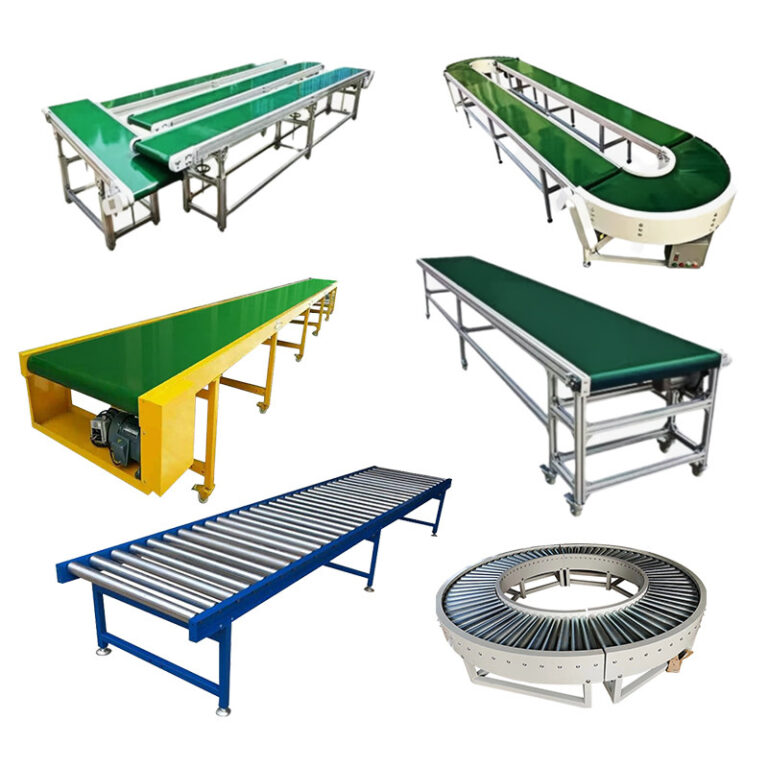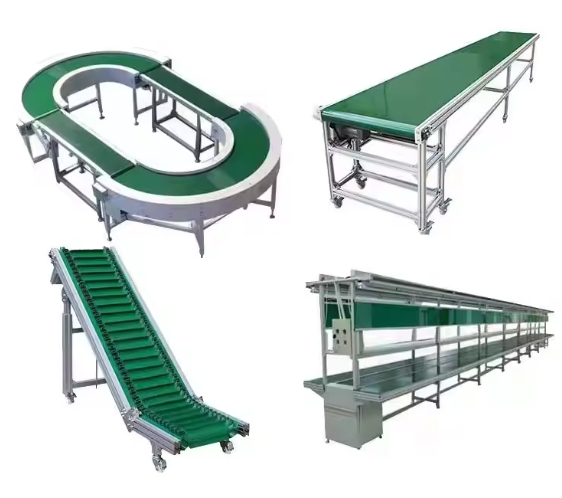
Preparations before using a belt conveyor are crucial. Here is a detailed introduction:
I. Equipment Inspection
Overall Appearance Inspection
Check the conveyor frame for deformation or damage. Carefully check that all bolts and nuts at the connection points are tight. Tighten any loose bolts or nuts immediately to prevent component displacement during operation.
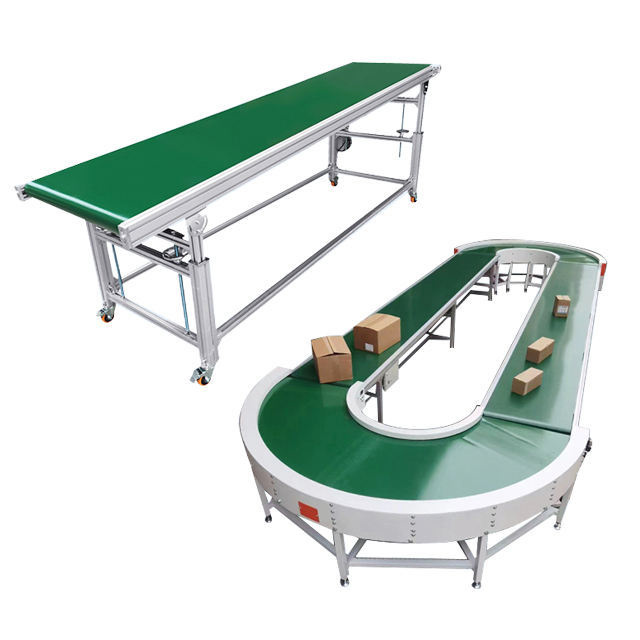
Inspect the conveyor belt surface for damage or scratches. The integrity of the conveyor belt directly affects the normal transport of materials. Small damage that goes undetected may widen, affecting service life and conveying efficiency.
2. Transmission System Inspection
Check that the motor wiring is correct and secure. Also, check the motor’s heat dissipation, ensuring there are no obstructions around the motor affecting heat dissipation.
Inspect the reducer, checking the oil level. Low oil level will lead to insufficient gear lubrication and increased wear; high oil level may cause oil leaks. Also check that the reducer’s anchor bolts are secure.
3. Idler and Roller Inspection
Inspect each idler to ensure it rotates freely. Idlers that cannot rotate properly will increase friction between the conveyor belt and the roller, leading to accelerated belt wear. Idlers that do not rotate should be replaced or repaired promptly.
Check the surface of the rollers for cleanliness and the absence of foreign matter. The cleanliness of the roller surface affects the normal operation of the conveyor belt. If any adhering material is found, it should be cleaned.
II. Environmental and Material Preparation
Working Environment Cleanup
Clean up debris and dust around the belt conveyor. Keeping the working area clean prevents debris from entering the conveyor and causing blockages or damage. For example, in some mining enterprises, if ore fragments are not cleaned up in time, these fragments may get stuck between the conveyor belt and the frame.
Material Preparation
Prepare the materials to be conveyed according to the conveying task. Understand the properties of the material, such as particle size, moisture content, and flowability. If the material has high moisture content, it may stick to the conveyor belt, requiring appropriate measures such as installing a scraper. Furthermore, it is crucial to ensure that the materials are loaded correctly to prevent uneven loading onto one side of the conveyor belt, which could cause the belt to run off-track.
In short, proper preparation before using a belt conveyor is key to ensuring its smooth operation.