
Curved Conveyor
A curved conveyor is a specialized piece of equipment used within logistics transport systems to facilitate changes in material direction—such as turning or diverting (commonly at angles of 90°, 180°, etc.)—thereby conserving space and enabling the interconnection of various devices.
Classification of Curved Conveyors:
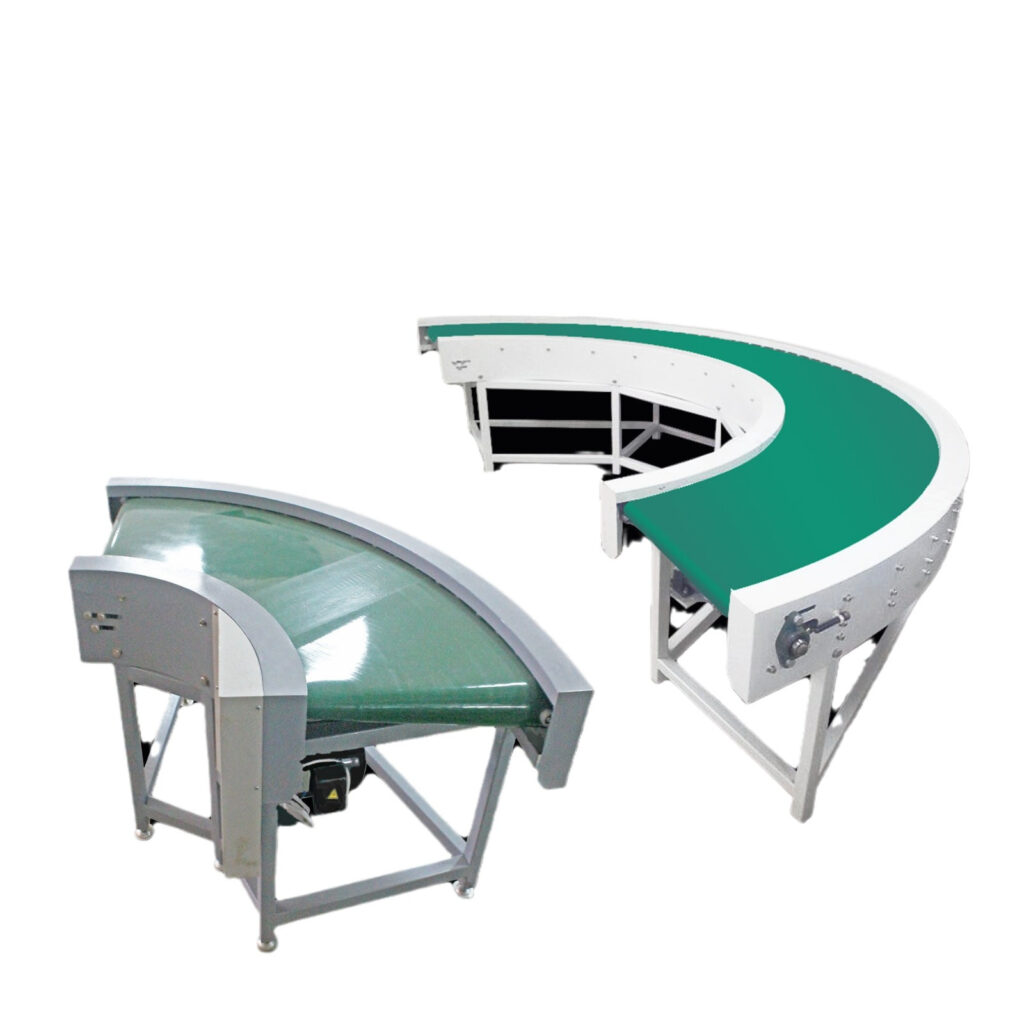
Curved Belt Conveyor
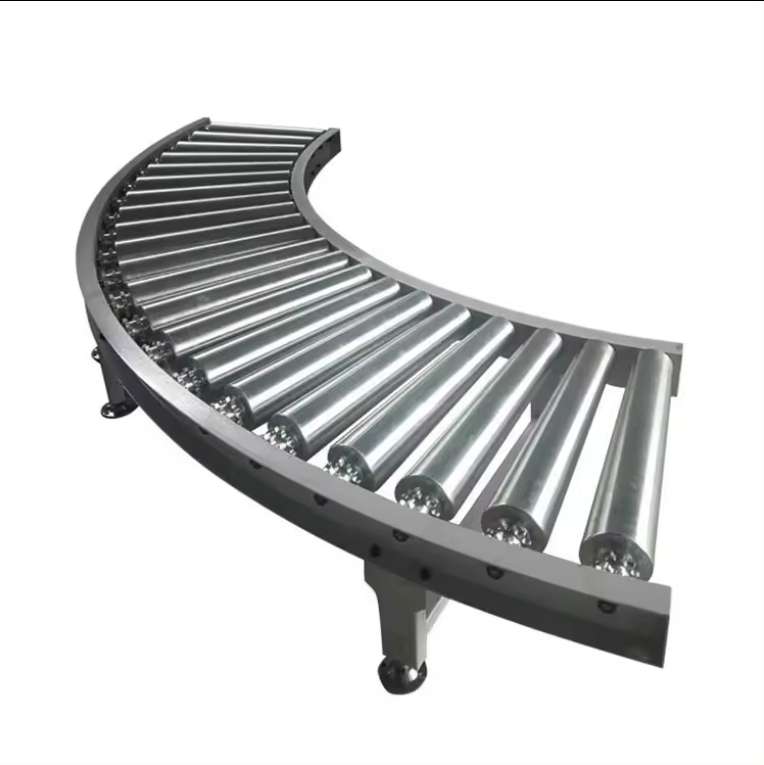
Curved Roller Conveyor
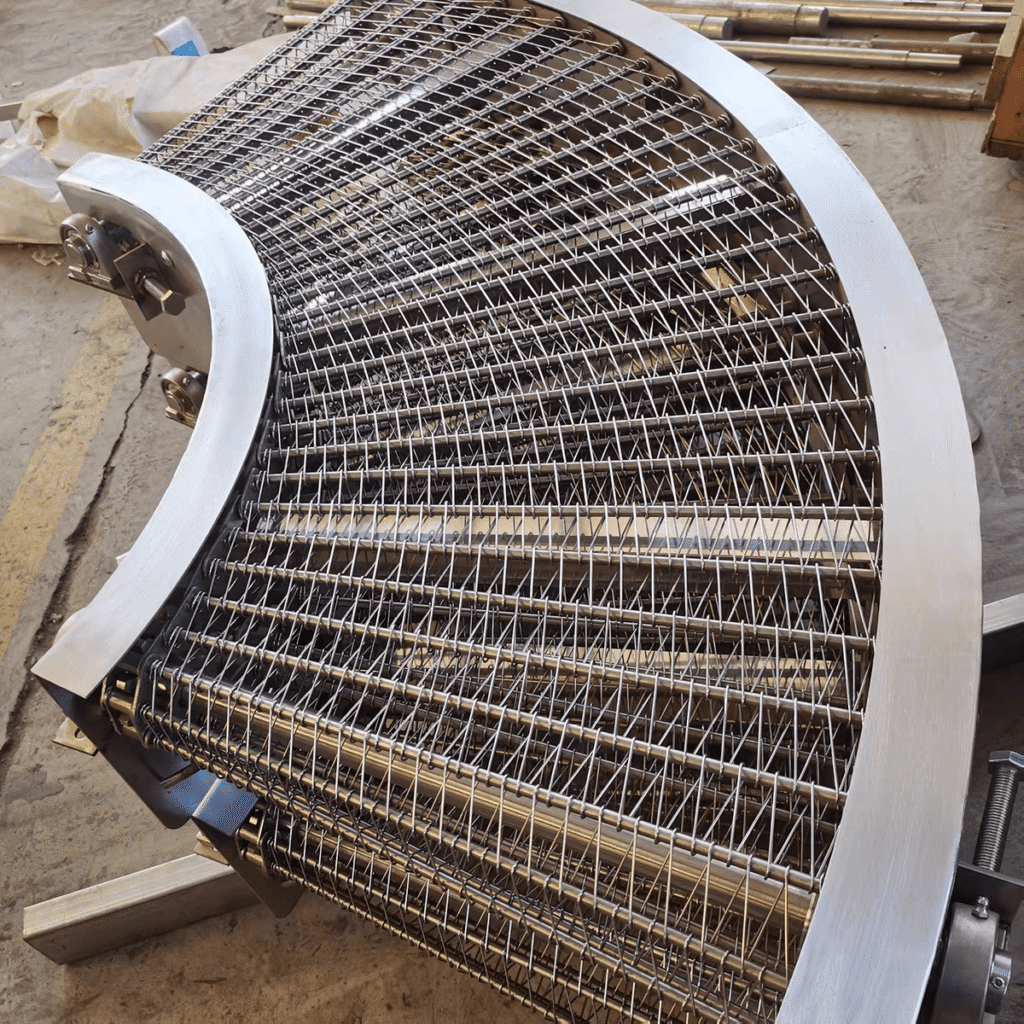
Curved Wire Mesh Conveyor
Turning Angle:
90 degree curve conveyor
180 degree curve conveyor
45 degree curve conveyor
Features:
- Curved conveyors typically feature turn angles of 45, 90, or 180 degrees.
- These conveyors enable materials to change their direction of travel, thereby saving space, bypassing obstacles, and facilitating the implementation of complex conveying layouts.
- The types of belts utilized in curved conveyors include PVC belts, PU belts, rollers, or metal wire mesh. The specific choice of belt type is determined based on the characteristics of the materials being conveyed.
- In addition to altering the direction of material flow, curved conveyors effectively conserve space and enhance the utilization efficiency of factory floor areas.
Customization Options:
Please provide the following parameters to facilitate our customization of the Curved Conveyor.
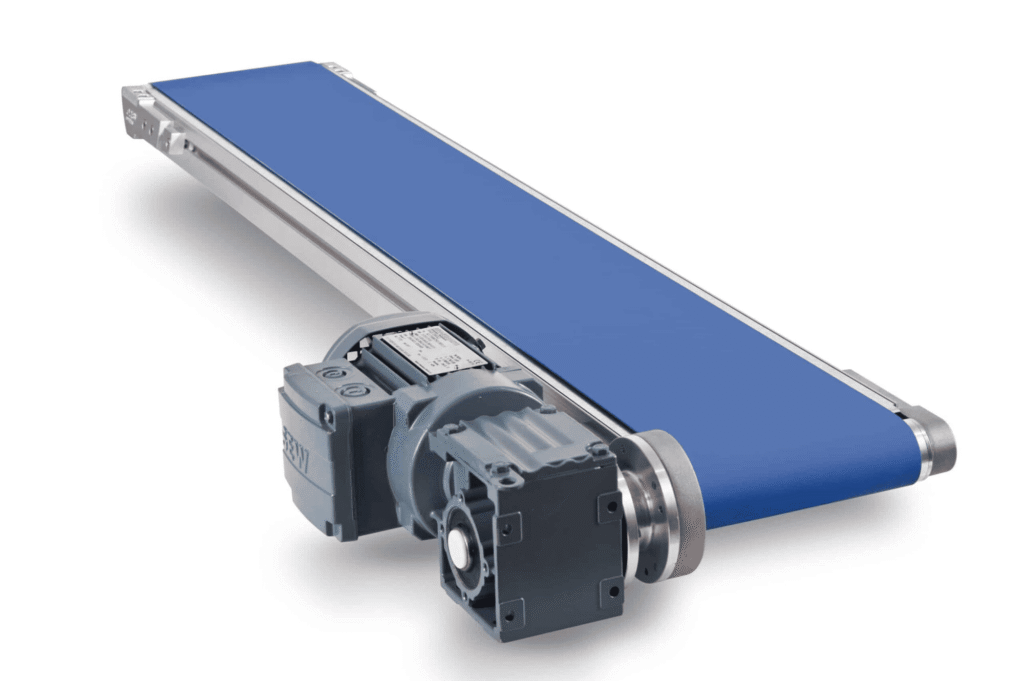
Conveyed materials
The type of conveyor belt to be used is determined by the material being conveyed. For instance, when conveying pallets, a roller-type curved conveyor is typically employed; conversely, when conveying food products, a PU-belt curved conveyor is generally utilized.
Conveyor belt width / Conveyor height
It is necessary to measure the width of the curved conveyor (this width typically corresponds to the width of the docking conveyor) and to measure the height of the docking conveyor equipment (determining the height of the curved conveyor based on the height of the docking conveyor).
Minimum turning radius
By determining the inner turning radius (or the outer turning radius), the overall structural dimensions of the conveyor’s turning section can be calculated, thereby facilitating the design of the complete curved conveyor system.
Conveyor Frame Material
The frame material for conveyors is typically carbon steel or 304 stainless steel. For applications involving the transport of food products or operations in wet environments, 304 stainless steel frames are generally utilized. For other application scenarios, carbon steel is typically sufficient (particularly in the logistics industry, where carbon steel is predominantly used).
Conveyor Belt Running Speed
Typically, the operating speed of a curved conveyor simply needs to be kept roughly consistent with that of the adjoining conveyor—generally around 8 meters per minute. Of course, a variable frequency drive can be installed to allow for the adjustment of the operating speed.
Voltage
Please provide your local power supply specifications, including voltage, whether it is single-phase or three-phase, and the frequency. Common industrial voltages are 220V, 380V, 400V, 415V, and 440V, with frequencies of 50Hz or 60Hz. We will configure the motor and electrical components according to your local power supply conditions.
Application scenarios
After understanding all the parameters above, there shouldn’t be any problems. However, to ensure everything goes smoothly, we suggest you take some photos or videos of the scene and send them to us so we can have a more comprehensive understanding.
Other configurations:
Guardrails
Guardrails can be installed on both sides of the conveyor belt to prevent the risk of items falling.
Raise feet
Lifting feet can be installed to facilitate short-distance lifting of the flat belt conveyor, typically within 50 centimeters.
Drawing:
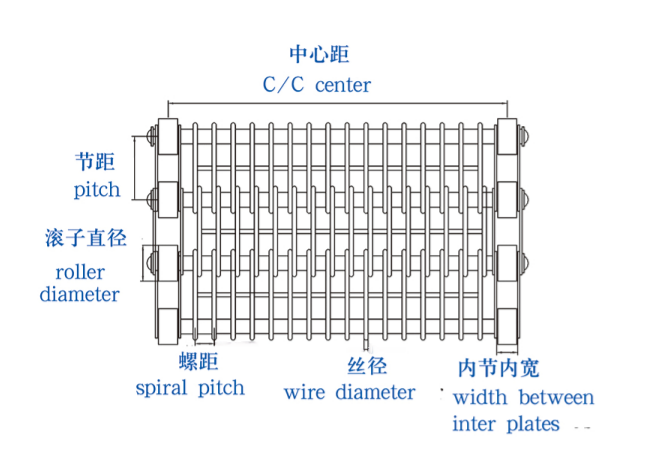
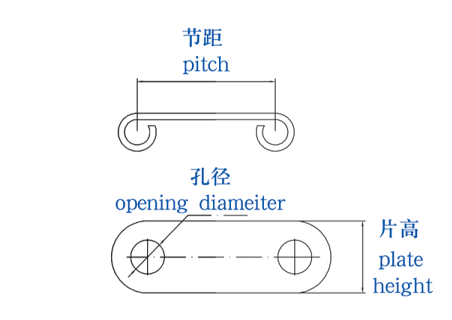
Note: Customization is available based on the parameters shown in the diagram above.
Frequently Asked Questions:
Contact Us